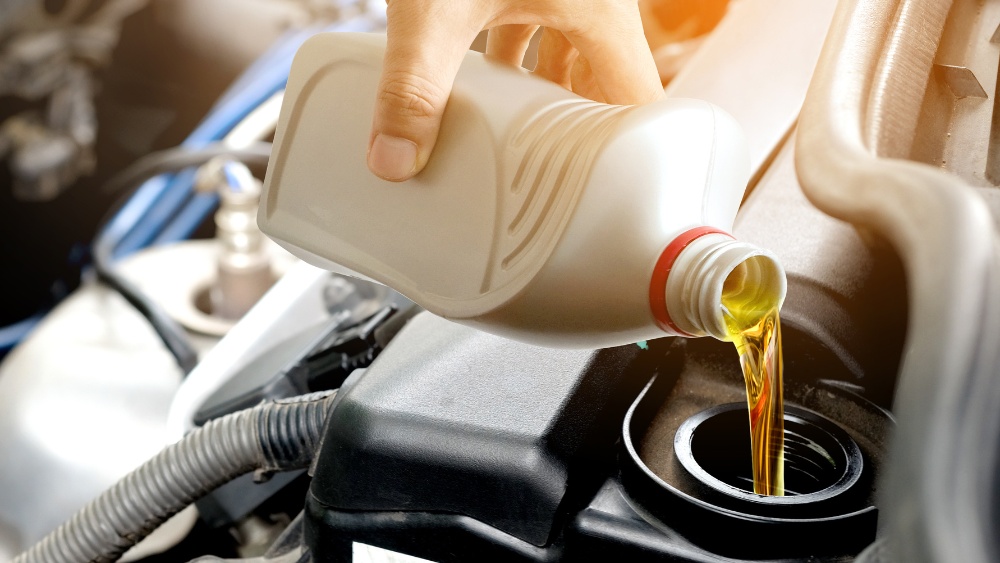
Many vehicle owners see an oil change as just another routine expense. However, regular engine oil changes are one of the most cost-effective ways to protect your vehicle and avoid expensive repairs. Whether you drive a personal car, motorcycle, truck, or operate a commercial fleet, changing your engine oil on time can significantly extend engine life and reduce overall maintenance costs.
In this article, we’ll explain why regular oil changes are an investment—not an expense.
What Does Engine Oil Do?
Engine oil performs several critical functions that keep your engine running smoothly:
Lubricates moving engine components
Reduces friction and wear
Helps cool engine parts
Cleans dirt, sludge, and contaminants
Prevents rust and corrosion
Improves engine efficiency
Protects engine components during high temperatures
As oil ages, it gradually loses these protective properties, making timely replacement essential.
1. Prevents Expensive Engine Repairs
Old or contaminated engine oil cannot properly lubricate engine components. Increased friction causes excessive wear on parts such as:
Pistons
Bearings
Camshaft
Crankshaft
Valves
Ignoring regular oil changes can eventually lead to severe engine damage or even complete engine failure—repairs that may cost thousands of dollars.
2. Improves Fuel Efficiency
Fresh engine oil reduces internal friction, allowing the engine to operate more efficiently.
Benefits include:
Better fuel economy
Smoother acceleration
Improved engine performance
Lower fuel costs over time
Even a small improvement in fuel efficiency can result in significant savings for drivers who travel long distances or manage vehicle fleets.
3. Extends Engine Life
Routine oil changes remove contaminants, carbon deposits, and metal particles that accumulate during normal engine operation.
Clean oil helps:
Reduce internal wear
Maintain optimal engine performance
Increase engine longevity
Delay costly engine rebuilds
With proper maintenance, many modern engines can exceed 300,000 kilometers of reliable operation.
4. Reduces Maintenance Costs
Regular oil changes help prevent additional maintenance issues such as:
Oil sludge buildup
Overheating
Oil leaks
Premature component wear
Preventive maintenance is almost always less expensive than emergency repairs.
5. Protects Turbochargers
Turbocharged engines operate under extremely high temperatures and speeds.
Fresh, high-quality engine oil:
Lubricates turbo bearings
Dissipates heat
Prevents carbon deposits
Extends turbocharger life
Replacing a damaged turbocharger is far more expensive than maintaining proper oil change intervals.
6. Prevents Engine Overheating
Although the cooling system manages most engine heat, engine oil also helps remove heat from internal components.
Fresh oil improves heat transfer and reduces the risk of:
Engine overheating
Thermal breakdown
Excessive wear caused by high temperatures
7. Maintains Manufacturer Warranty
Most vehicle manufacturers specify oil change intervals in the owner’s manual.
Following these recommendations helps:
Maintain warranty coverage
Preserve service history
Protect resale value
Skipping scheduled maintenance may affect warranty claims in some cases.
8. Increases Vehicle Resale Value
A vehicle with documented maintenance records is generally more attractive to buyers.
Regular oil changes demonstrate that the vehicle has been properly cared for, increasing buyer confidence and potentially improving resale value.
Warning Signs Your Engine Oil Needs Changing
Watch for these common signs:
Engine oil warning light
Dark or dirty oil
Increased engine noise
Reduced fuel economy
Burning oil smell
Excessive exhaust smoke
Engine running hotter than normal
If you notice any of these symptoms, inspect your engine oil and replace it if necessary.
How Often Should You Change Engine Oil?
The ideal interval depends on your vehicle, driving conditions, and the type of oil used.
General Guidelines
Oil Type
Recommended Interval
Conventional Oil
Every 5,000–7,000 km
Semi-Synthetic Oil
Every 7,000–10,000 km
Fully Synthetic Oil
Every 10,000–15,000 km
For vehicles operating under severe conditions—such as heavy loads, frequent stop-and-go traffic, dusty environments, or extreme temperatures—more frequent oil changes may be necessary. Always follow the manufacturer’s recommendations.
Tips to Maximize Engine Life
Use the correct viscosity grade recommended by your vehicle manufacturer.
Replace the oil filter during every oil change.
Check engine oil levels regularly.
Avoid mixing different oil types unless approved.
Use genuine, high-quality lubricants from trusted suppliers.
Keep maintenance records for future reference.
Conclusion
Regular engine oil changes are one of the simplest and most effective ways to reduce long-term vehicle ownership costs. Fresh oil improves engine performance, enhances fuel efficiency, prevents premature wear, and helps avoid expensive repairs. Whether you own a single vehicle or manage an entire fleet, staying on schedule with oil changes is a smart investment that pays off over time.
By choosing the right lubricant and replacing it at the recommended intervals, you can protect your engine, improve reliability, and enjoy years of dependable performance.