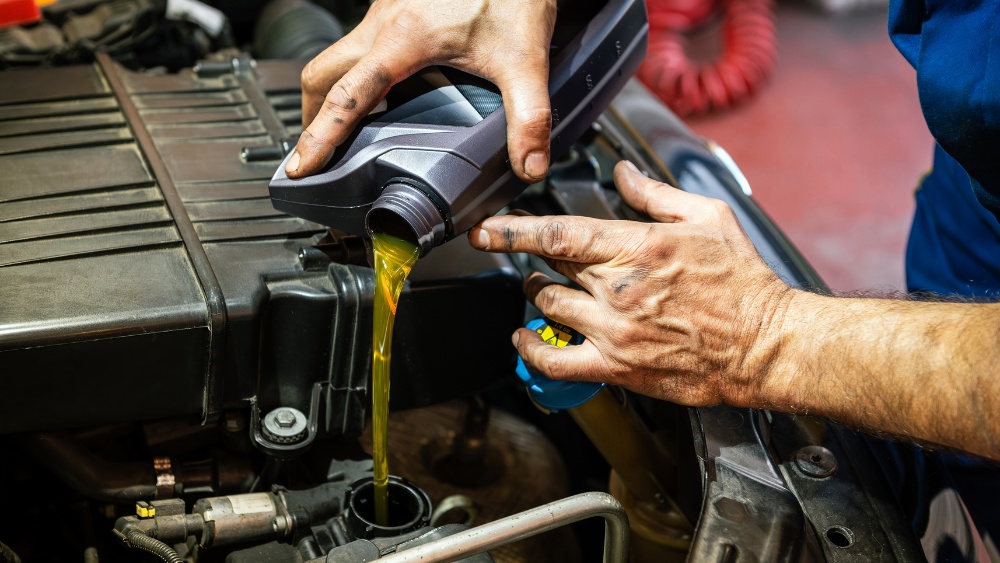
Your vehicle’s engine is one of its most valuable components, and choosing the right engine oil is essential for maintaining performance, fuel efficiency, and long-term reliability. With so many options available—including synthetic, semi-synthetic, and mineral oils—selecting the correct lubricant can seem overwhelming.
This guide explains everything you need to know to make the right choice for your vehicle.
Why Engine Oil Matters
Engine oil performs several critical functions:
- Lubricates moving engine parts
- Reduces friction and wear
- Prevents overheating
- Keeps the engine clean by removing sludge and deposits
- Protects against rust and corrosion
- Improves fuel efficiency
- Extends engine life
Using the wrong oil can lead to poor performance, increased fuel consumption, and costly engine repairs.
1. Follow Your Vehicle Manufacturer’s Recommendation
The first and most important step is to check your vehicle owner’s manual.
Manufacturers specify the correct:
- Oil viscosity (SAE grade)
- Performance standard (API or ACEA)
- Oil type
- Oil capacity
- Recommended oil change interval
Using the recommended oil ensures optimal engine protection and helps maintain your vehicle warranty.
2. Understand Oil Viscosity
Viscosity measures how easily engine oil flows at different temperatures.
Common viscosity grades include:
- SAE 0W-20
- SAE 5W-30
- SAE 10W-30
- SAE 15W-40
- SAE 20W-50
What does “5W-30” mean?
- 5W indicates the oil’s performance during cold starts.
- 30 indicates its thickness at normal engine operating temperature.
Lower winter numbers improve cold-weather starting, while higher operating numbers provide greater protection under high temperatures and heavy loads.
3. Choose the Right Type of Engine Oil
Fully Synthetic Oil
Best for:
- Modern vehicles
- Turbocharged engines
- High-performance cars
- Extreme weather conditions
Benefits:
- Maximum engine protection
- Longer oil life
- Better fuel economy
- Superior high-temperature stability
Semi-Synthetic Oil
Best for:
- Daily driving
- SUVs
- Pickup trucks
- Moderate driving conditions
Benefits:
- Good balance of performance and affordability
- Improved wear protection
- Better oxidation resistance than mineral oil
Mineral Oil
Best for:
- Older vehicles
- Low-mileage cars
- Basic driving conditions
Benefits:
- Cost-effective
- Suitable for older engine designs
4. Check the API Rating
The API (American Petroleum Institute) rating indicates the oil’s performance level.
Examples include:
- API SP
- API SN Plus
- API SN
- API CK-4 (Diesel)
Higher and newer API ratings generally offer improved protection against wear, deposits, and oxidation.
5. Consider Your Driving Conditions
Different driving habits require different lubrication performance.
City Driving
Frequent stop-and-go traffic causes:
- More engine heat
- Increased wear
- Faster oil degradation
Synthetic oils are usually the best choice.
Highway Driving
Long-distance driving places less stress on engine oil, but maintaining the correct viscosity remains essential.
Heavy-Duty Applications
Vehicles used for:
- Construction
- Logistics
- Agriculture
- Commercial transport
should use heavy-duty engine oils designed for high loads and extended operating hours.
6. Match the Oil to Your Climate
Hot Weather
Choose oils recommended for high-temperature protection, such as:
These provide stronger oil films under extreme heat.
Cold Weather
Lower winter grades improve cold-start performance, including:
These oils circulate quickly after startup, reducing engine wear.
7. Don’t Ignore Oil Certifications
Look for oils that meet internationally recognized standards such as:
- API
- ACEA
- ILSAC
- OEM manufacturer approvals
These certifications indicate the oil has been tested for quality and performance.
8. Buy Genuine Engine Oil
Counterfeit lubricants can seriously damage your engine.
Purchase only from:
- Authorized dealers
- Reputable retailers
- Trusted lubricant distributors
Always check:
- Security seals
- Packaging quality
- Batch numbers
- QR codes (if available)
9. Change Engine Oil on Time
Even the best engine oil loses effectiveness over time.
Typical oil change intervals:
- Mineral Oil: Every 5,000 km
- Semi-Synthetic Oil: Every 7,000–8,000 km
- Fully Synthetic Oil: Every 10,000–15,000 km (or as recommended by the manufacturer)
Always replace the oil filter when changing engine oil.
10. Common Mistakes to Avoid
- Using the wrong viscosity grade
- Mixing different oil types without guidance
- Ignoring the manufacturer’s recommendations
- Delaying oil changes
- Buying counterfeit products
- Forgetting to replace the oil filter
- Overfilling or underfilling the engine with oil
Avoiding these mistakes can significantly improve engine performance and longevity.
Quick Checklist Before Buying Engine Oil
✔ Check your owner’s manual
✔ Confirm the correct SAE viscosity grade
✔ Verify the API or ACEA specification
✔ Choose the appropriate oil type (Synthetic, Semi-Synthetic, or Mineral)
✔ Buy from an authorized dealer
✔ Replace the oil filter during every oil change
✔ Follow the recommended maintenance schedule
Final Thoughts
Selecting the right engine oil is one of the simplest yet most effective ways to protect your vehicle’s engine. By choosing the correct viscosity, meeting the required performance standards, and purchasing genuine products from trusted dealers, you can improve engine performance, reduce maintenance costs, and extend the life of your vehicle.
Whether you drive a passenger car, motorcycle, commercial truck, or industrial equipment, using the right lubricant ensures reliable performance in every journey.