Keeping your car’s engine in excellent condition doesn’t require complicated repairs—it starts with regular maintenance and smart driving habits. A well-maintained engine delivers better performance, improved fuel efficiency, lower repair costs, and a longer vehicle lifespan. Whether you drive every day or only occasionally, following these essential maintenance tips will help keep your engine running smoothly for years.
Why Engine Maintenance Matters
The engine is the heart of your vehicle. Over time, heat, friction, dirt, and normal wear can reduce its performance. Routine maintenance helps:
- Increase engine lifespan
- Improve fuel economy
- Reduce unexpected breakdowns
- Lower maintenance and repair costs
- Maintain optimal vehicle performance
- Improve driving safety and reliability
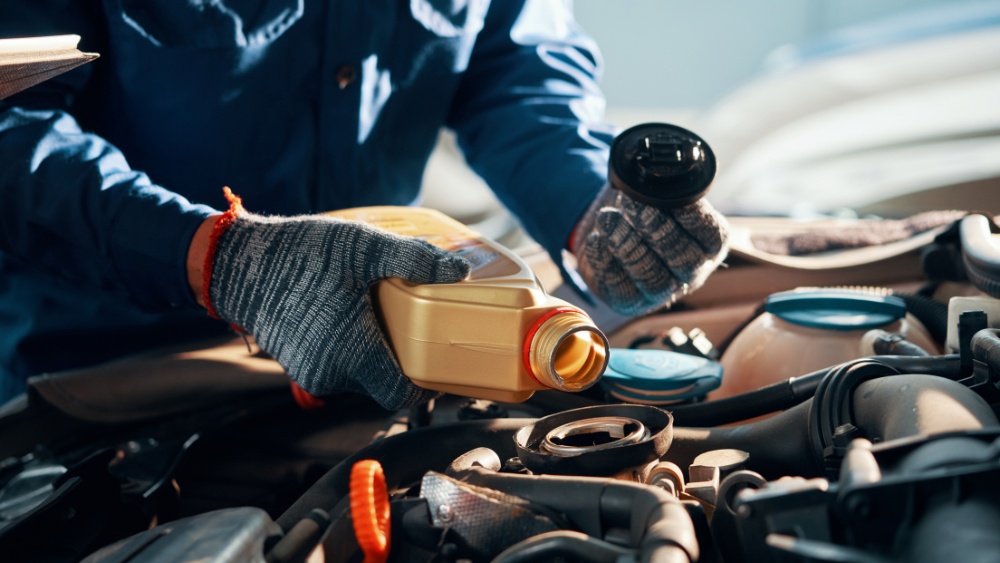
1. Change Engine Oil Regularly
Engine oil lubricates moving parts, reduces friction, removes heat, and helps prevent engine wear.
Best Practices:
- Follow the manufacturer’s recommended oil change interval.
- Use the correct oil viscosity (SAE grade).
- Choose high-quality or genuine engine oil.
- Replace the oil filter during every oil change.
A clean lubrication system significantly reduces engine wear and extends engine life.
2. Replace the Oil Filter
The oil filter traps dirt, sludge, and metal particles that accumulate during engine operation.
A clogged oil filter can:
- Restrict oil flow
- Increase engine wear
- Reduce lubrication efficiency
Always install a quality oil filter whenever you change the engine oil.
3. Check Engine Oil Level Frequently
Low engine oil can cause severe engine damage within a short time.
Inspect the oil level:
- Before long trips
- Every 1,000–2,000 km
- Whenever the oil warning light appears
Top up the oil if it falls below the recommended level.
4. Maintain the Cooling System
Overheating is one of the leading causes of engine failure.
Regularly inspect:
- Coolant level
- Radiator
- Cooling fan
- Hoses
- Water pump
Replace coolant according to the manufacturer’s maintenance schedule.
5. Replace the Air Filter
A clean air filter allows proper airflow into the engine, improving combustion efficiency.
Benefits include:
- Better fuel economy
- Improved acceleration
- Lower emissions
- Reduced engine deposits
Replace the air filter as recommended or sooner if driving in dusty conditions.
6. Keep the Fuel System Clean
Using quality fuel helps keep injectors and combustion chambers cleaner.
For better performance:
- Buy fuel from trusted stations.
- Replace the fuel filter when required.
- Consider approved fuel system cleaners if recommended by your vehicle manufacturer.
7. Inspect Belts and Hoses
Rubber belts and hoses wear out over time.
Watch for:
- Cracks
- Leaks
- Fraying
- Loose connections
Replacing worn components early helps prevent roadside breakdowns.
8. Monitor Tire Pressure
Proper tire pressure reduces the engine’s workload.
Correct tire pressure provides:
- Better fuel efficiency
- Improved handling
- Reduced tire wear
- Less stress on the drivetrain
Check tire pressure at least once a month.
9. Warm Up the Engine Gently
Modern engines don’t require long warm-up periods.
Instead:
- Start the engine.
- Wait 30–60 seconds.
- Drive gently until the engine reaches normal operating temperature.
Avoid high RPMs immediately after starting a cold engine.
10. Avoid Aggressive Driving
Rapid acceleration, harsh braking, and excessive speeding increase engine stress.
Smooth driving helps:
- Reduce engine wear
- Improve fuel efficiency
- Extend transmission life
- Lower maintenance costs
11. Follow the Recommended Service Schedule
Routine servicing ensures that small problems are identified before they become major repairs.
Typical maintenance includes:
- Engine oil replacement
- Oil filter replacement
- Air filter inspection
- Coolant inspection
- Brake inspection
- Battery check
- Spark plug replacement (for petrol engines)
Always follow your vehicle manufacturer’s maintenance schedule.
12. Watch for Warning Signs
Don’t ignore unusual symptoms such as:
- Engine warning light
- Knocking sounds
- Excessive smoke
- Poor acceleration
- Rough idling
- Oil leaks
- Increased fuel consumption
Addressing these issues early can prevent expensive engine repairs.
Choose Genuine Lubricants
Using genuine, manufacturer-approved lubricants is one of the most effective ways to protect your engine.
High-quality lubricants offer:
- Superior wear protection
- Better temperature stability
- Cleaner engine operation
- Reduced sludge formation
- Improved fuel efficiency
- Longer oil drain intervals (where applicable)
Always purchase engine oil from an authorized lubricant dealer to ensure product authenticity.
Final Thoughts
Regular maintenance is the key to maximizing your engine’s performance and lifespan. Simple tasks such as changing the engine oil on time, replacing filters, maintaining proper coolant levels, and using genuine lubricants can significantly reduce wear and help avoid costly repairs.
By following these essential maintenance practices and sticking to your vehicle’s recommended service schedule, you’ll enjoy a smoother, more efficient, and more reliable driving experience for years to come.